
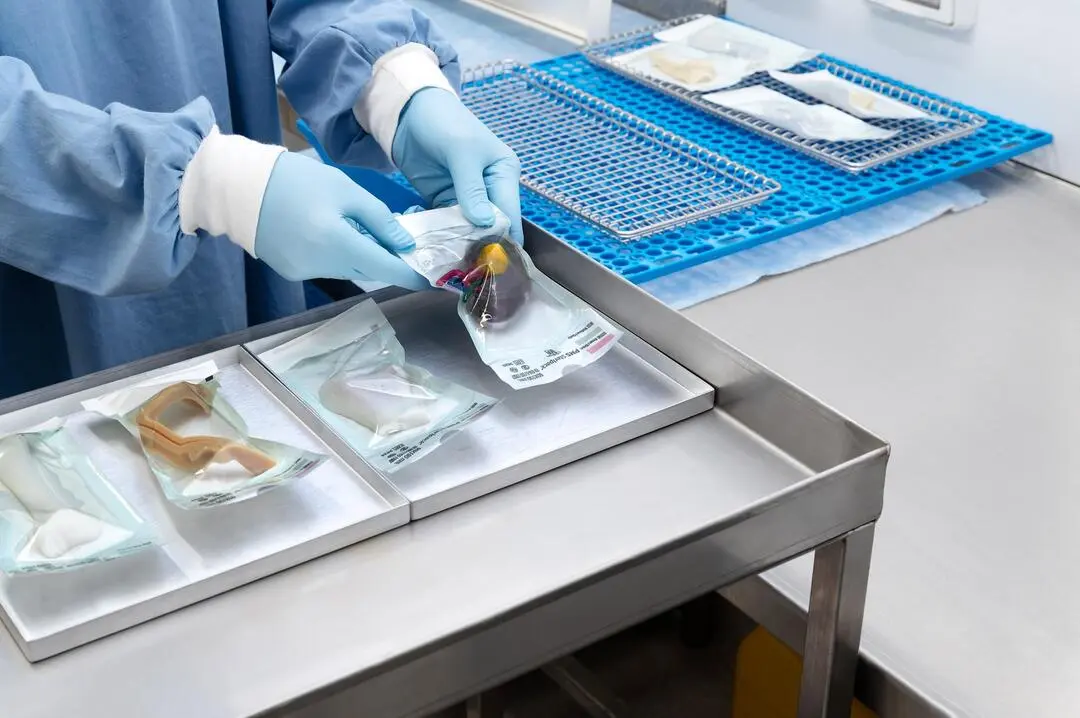
7 Powerful Benefits of 3D Printed Pre-Planning Models for Surgery
Introduction
Modern healthcare is rapidly evolving with the integration of digital technologies, advanced imaging, and precision-based surgical techniques. Among the most impactful innovations transforming surgical workflows today are 3D Printed Pre-Planning Models for Surgery. These patient-specific anatomical models are helping surgeons visualize complex structures before entering the operating room, improving surgical precision, reducing risks, and enhancing patient outcomes.
From orthopedic procedures and maxillofacial reconstruction to cardiovascular and spinal surgeries, pre-planning models are becoming an essential part of modern surgical planning. By converting CT scans and MRI data into accurate physical replicas, surgeons can better understand anatomy, rehearse procedures, and make informed decisions before surgery begins.
At Curewith3D, advanced medical 3D printing technologies are supporting healthcare professionals with customized surgical planning solutions designed to improve accuracy and efficiency in complex procedures.
This blog explores how 3D printed pre-planning models are revolutionizing surgery, their clinical applications, benefits, and why they matter in today’s healthcare environment.
What Are 3D Printed Pre-Planning Models?
3D printed pre-planning models are patient-specific anatomical replicas created using medical imaging data such as:
- CT scans
- MRI scans
- CBCT imaging
- Digital surgical planning software
These models are manufactured using advanced 3D printing technology to replicate bones, organs, vessels, or other anatomical structures with high accuracy.
Unlike traditional 2D imaging, physical 3D models allow surgeons to hold, analyze, and simulate procedures before surgery. This improves surgical confidence and procedural predictability.
Why Surgical Pre-Planning Matters More Than Ever
Surgical procedures are becoming increasingly complex due to:
- Rising trauma cases
- Complex deformity corrections
- Personalized treatment requirements
- Higher expectations for surgical precision
- Demand for minimally invasive techniques
Traditional surgical planning methods often rely on 2D images and surgeon interpretation. However, these methods may not always provide complete spatial understanding of patient anatomy.
This is where 3D Printed Pre-Planning Models for Surgery create a significant advantage.
According to several medical studies, preoperative 3D planning can reduce operation time by up to 20–30% in complex surgeries while improving surgical precision and patient communication.
1. Improved Surgical Accuracy
One of the biggest advantages of 3D printed surgical models is enhanced anatomical understanding.
Surgeons can:
- Study patient anatomy in detail
- Identify anatomical abnormalities
- Plan surgical approaches precisely
- Determine implant positioning accurately
This reduces intraoperative guesswork and increases procedural precision.
2. Better Visualization of Complex Anatomy
Complex cases involving craniofacial deformities, orthopedic trauma, or tumor resections require detailed visualization.
A physical model provides:
- True depth perception
- Spatial understanding
- Better evaluation of bone structures
- Improved recognition of surgical challenges
This is particularly useful in:
- Orthopedic surgery
- CMF surgery
- Cardiovascular procedures
- Neurosurgery
3. Reduced Surgery Time
Pre-planning with patient-specific models allows surgeons to prepare surgical strategies beforehand.
Benefits include:
- Faster decision-making during surgery
- Reduced operating room time
- Lower anesthesia exposure
- Increased surgical workflow efficiency
Studies indicate that hospitals using surgical planning models often experience shorter operation durations and reduced intraoperative complications.
4. Enhanced Patient Communication
Patients often struggle to understand complex surgical procedures through X-rays or scans alone.
3D printed models help surgeons explain:
- The patient’s condition
- Planned surgical corrections
- Implant placement
- Expected outcomes
This improves patient confidence, trust, and informed consent.
5. Better Surgical Training and Education
Medical institutions increasingly use 3D printed models for:
- Surgical training
- Resident education
- Procedure simulation
- Anatomy learning
Hands-on training with realistic models improves surgical preparedness and learning outcomes.
6. Support for Custom Implants and Surgical Guides
Pre-planning models are commonly integrated with:
- Patient-specific implants
- Custom surgical guides
- Cutting guides
- Drilling guides
This enables more accurate implant fitting and improved surgical outcomes.
At Curewith3D, digital planning workflows help support surgeons with customized surgical solutions tailored to individual patient anatomy.
7. Reduced Surgical Risks and Complications
Accurate surgical planning minimizes:
- Unexpected intraoperative challenges
- Implant positioning errors
- Tissue damage
- Revision surgeries
By identifying risks before surgery, surgeons can improve procedural safety and patient recovery.
Applications of 3D Printed Pre-Planning Models in Surgery
Orthopedic Surgery
In orthopedic procedures, pre-planning models assist in:
- Fracture analysis
- Joint reconstruction
- Tumor surgery
- Complex deformity correction
Surgeons can simulate osteotomies and implant placement before actual surgery.
Cranio-Maxillofacial (CMF) Surgery
CMF procedures require exceptional precision due to facial symmetry and functional considerations.
3D models help in:
- Jaw reconstruction
- Facial trauma repair
- Orthognathic surgery
- Orbital reconstruction
These models improve both functional and cosmetic outcomes.
Cardiovascular Surgery
Cardiac surgeons use patient-specific heart models to evaluate:
- Congenital heart defects
- Valve abnormalities
- Vascular anatomy
- Surgical access routes
This improves preoperative planning in highly delicate procedures.
Neurosurgery
Brain and spinal surgeries involve highly sensitive anatomical structures.
3D models allow surgeons to:
- Plan tumor removal
- Understand spinal deformities
- Analyze vascular pathways
- Improve surgical navigation
Frequently Asked Questions About 3D Printed Pre-Planning Models for Surgery
What materials are used for 3D printed surgical models?
Most models are created using medical-grade polymers, resins, or specialized printing materials designed to replicate bone and soft tissue structures accurately.
Are 3D printed pre-planning models patient-specific?
Yes. These models are customized using the patient’s CT or MRI data to create highly accurate anatomical replicas.
How long does it take to create a surgical planning model?
Depending on complexity, a model may take several hours to a few days, including imaging processing, design, and printing.
Which surgeries benefit the most from 3D printed models?
Procedures involving complex anatomy benefit significantly, including:
- Orthopedic surgery
- CMF surgery
- Cardiac surgery
- Neurosurgery
- Tumor reconstruction
Can 3D printed models reduce surgical complications?
Yes. Better planning and anatomical understanding can help reduce intraoperative risks, improve precision, and lower revision rates.
The Growing Role of Digital Healthcare and 3D Technology
Healthcare is moving toward personalized and data-driven treatment solutions. Technologies such as:
- Artificial intelligence
- Virtual surgical planning
- 3D printing
- Digital imaging
- Patient-specific implants
are reshaping surgical care globally.
The integration of digital workflows with additive manufacturing allows surgeons to improve procedural predictability while delivering personalized patient care.
Why Healthcare Providers Are Choosing Curewith3D
As surgical procedures become increasingly advanced, healthcare providers require reliable digital planning and medical 3D printing support.
Curewith3D provides advanced solutions including:
- 3D printed pre-planning models
- Patient-specific surgical guides
- Digital surgical planning
- Customized implant support
- Orthopedic and CMF solutions
By combining medical imaging with precision manufacturing, Curewith3D supports healthcare professionals in improving surgical outcomes through innovation and personalized care.
Future of 3D Printed Surgical Planning
The future of surgical planning is expected to include:
- AI-assisted planning systems
- Real-time surgical simulation
- Biocompatible printed implants
- Robotic surgery integration
- Augmented reality surgical guidance
As these technologies continue to evolve, 3D printed surgical planning models will become even more important in precision medicine.
Conclusion
The adoption of 3D Printed Pre-Planning Models for Surgery is transforming modern healthcare by improving surgical precision, reducing risks, and enhancing patient outcomes. These patient-specific models allow surgeons to visualize complex anatomy, simulate procedures, and prepare for surgery with greater confidence and accuracy.
From orthopedic and maxillofacial procedures to cardiac and neurosurgery, the clinical value of surgical planning models continues to grow. As digital healthcare advances, the integration of 3D printing technology into surgical workflows will play a crucial role in the future of precision medicine.
Curewith3D continues to support this transformation by providing advanced 3D printing and digital surgical planning solutions designed to improve surgical efficiency, customization, and patient-centered care.