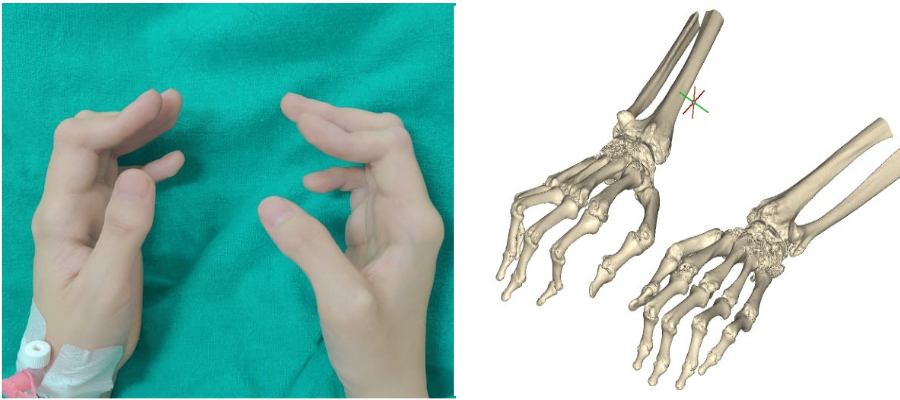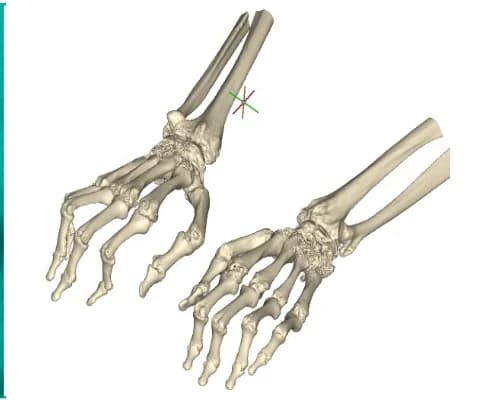
Proximal Interphalangeal Joint Arthroplasty for Finger Joint Pain Relief
Introduction
Finger joint pain can severely impact daily activities such as writing, typing, gripping objects, or even simple hand movements. One of the most commonly affected areas is the proximal interphalangeal (PIP) joint, which is the middle joint of the finger. Conditions like arthritis, trauma, or degenerative joint diseases can lead to stiffness, swelling, and long-term disability if not treated properly.
Modern orthopedic advancements have introduced highly effective surgical solutions to restore mobility and reduce pain. Among these, Proximal Interphalangeal Joint Arthroplasty has become a preferred procedure for patients seeking both functional improvement and pain relief. This surgical technique replaces or reconstructs the damaged joint while preserving finger movement.
With advancements in digital planning and medical engineering, healthcare providers are now able to achieve higher precision and improved outcomes through innovative tools such as advanced orthopedic solutions, which support surgeons in complex orthopedic cases.
What Is Proximal Interphalangeal Joint Arthroplasty?
Proximal Interphalangeal Joint Arthroplasty is a reconstructive surgical procedure designed to replace damaged finger joint surfaces with artificial implants. The goal is to reduce pain while maintaining or improving joint mobility.
Unlike joint fusion, which eliminates movement to relieve pain, this procedure aims to preserve motion, making it a preferred option for many active patients.
It is commonly recommended for:
- Osteoarthritis of finger joints
- Rheumatoid arthritis
- Post-traumatic joint damage
- Severe joint stiffness
- Deformities affecting finger alignment
This procedure is part of modern orthopedic implant innovations, where precision and biomechanical restoration play a critical role.
Why Finger Joint Pain Should Be Taken Seriously
Ignoring finger joint pain can lead to progressive joint degeneration and permanent deformity. Early symptoms often include stiffness in the morning, swelling, reduced grip strength, and discomfort during movement.
If left untreated, the condition may worsen and require more complex surgical intervention. Early evaluation allows better treatment planning and improved recovery outcomes using modern orthopedic implant technologies.
Causes of PIP Joint Damage
1. Degenerative Arthritis
Cartilage wear and tear over time leads to pain, stiffness, and restricted movement.
2. Autoimmune Conditions
Diseases like rheumatoid arthritis attack joint tissues, causing inflammation and deformity.
3. Trauma or Injury
Fractures or dislocations may damage the joint structure permanently.
4. Chronic Overuse
Repetitive strain can accelerate joint degeneration.
How Proximal Interphalangeal Joint Arthroplasty Works
The procedure involves replacing damaged joint surfaces with an implant designed to restore smooth movement.
Step-by-Step Process:
- Pre-surgical evaluation and imaging
- Digital planning and surgical mapping
- Removal of damaged joint surfaces
- Placement of an artificial implant
- Alignment and closure
Modern surgical workflows increasingly use patient-specific surgical planning to enhance precision and reduce intraoperative risks.
Types of Implants Used in Finger Arthroplasty
Silicone Implants
Flexible and commonly used in rheumatoid arthritis cases.
Pyrocarbon Implants
Provide better joint movement and durability.
Metal-Polymer Implants
Offer structural strength and long-term stability.
These implant technologies are part of evolving orthopedic implant systems designed for functional restoration.
Benefits of Proximal Interphalangeal Joint Arthroplasty
1. Pain Reduction
Most patients experience significant relief after surgery.
2. Improved Finger Mobility
Helps restore natural finger movement.
3. Better Hand Function
Enhances grip strength and dexterity.
4. Long-Term Functional Support
Supports daily activities with improved stability.
5. Personalized Treatment Outcomes
Advanced surgical planning allows better alignment and precision.
Modern treatment approaches often integrate custom implant solutions for improved patient-specific results.
Role of Technology in Modern Finger Joint Surgery
Advancements in medical technology have transformed orthopedic procedures. Surgeons now rely on digital imaging, 3D modeling, and patient-specific planning tools.
Key Technological Innovations:
- 3D imaging for joint analysis
- Digital surgical planning
- Patient-specific implant design
- Improved preoperative simulations
Tools like 3D surgical planning help surgeons visualize the joint structure before surgery, improving accuracy and reducing complications.
Recovery After Arthroplasty
Recovery plays a crucial role in long-term surgical success.
Post-Surgery Care Includes:
- Hand therapy exercises
- Splint support
- Controlled movement training
- Regular follow-up checks
Rehabilitation helps restore strength, flexibility, and functional movement of the finger.
FAQs
1. Is the surgery painful?
Mild discomfort is expected initially, but it is manageable with medication.
2. How long does recovery take?
Most patients recover functional movement within 6–8 weeks.
3. Can I use my hand normally after surgery?
Yes, with proper rehabilitation, most daily activities can be resumed.
4. Is this procedure permanent?
Implants are designed for long-term use, though lifespan depends on activity level and health condition.
Future of Finger Joint Reconstruction
The future of orthopedic surgery is moving toward:
- Patient-specific implants
- Digital surgical planning
- 3D printed medical solutions
- AI-assisted surgical workflows
These innovations are improving accuracy, reducing surgical risks, and enhancing patient outcomes in complex hand surgeries.
Advanced platforms such as Curewith3D are contributing to this transformation by enabling precision-driven orthopedic and reconstructive solutions.
Conclusion
Proximal Interphalangeal Joint Arthroplasty is a highly effective surgical solution for individuals suffering from severe finger joint pain and mobility restrictions. By replacing damaged joints with advanced implants, the procedure restores function, reduces pain, and improves quality of life.
With the integration of modern technologies such as digital planning, patient-specific solutions, and advanced orthopedic implants, surgical outcomes are becoming more predictable and successful than ever before.
As medical innovation continues to evolve, platforms like Curewith3D are helping shape the future of orthopedic care through precision-based and technology-driven solutions.